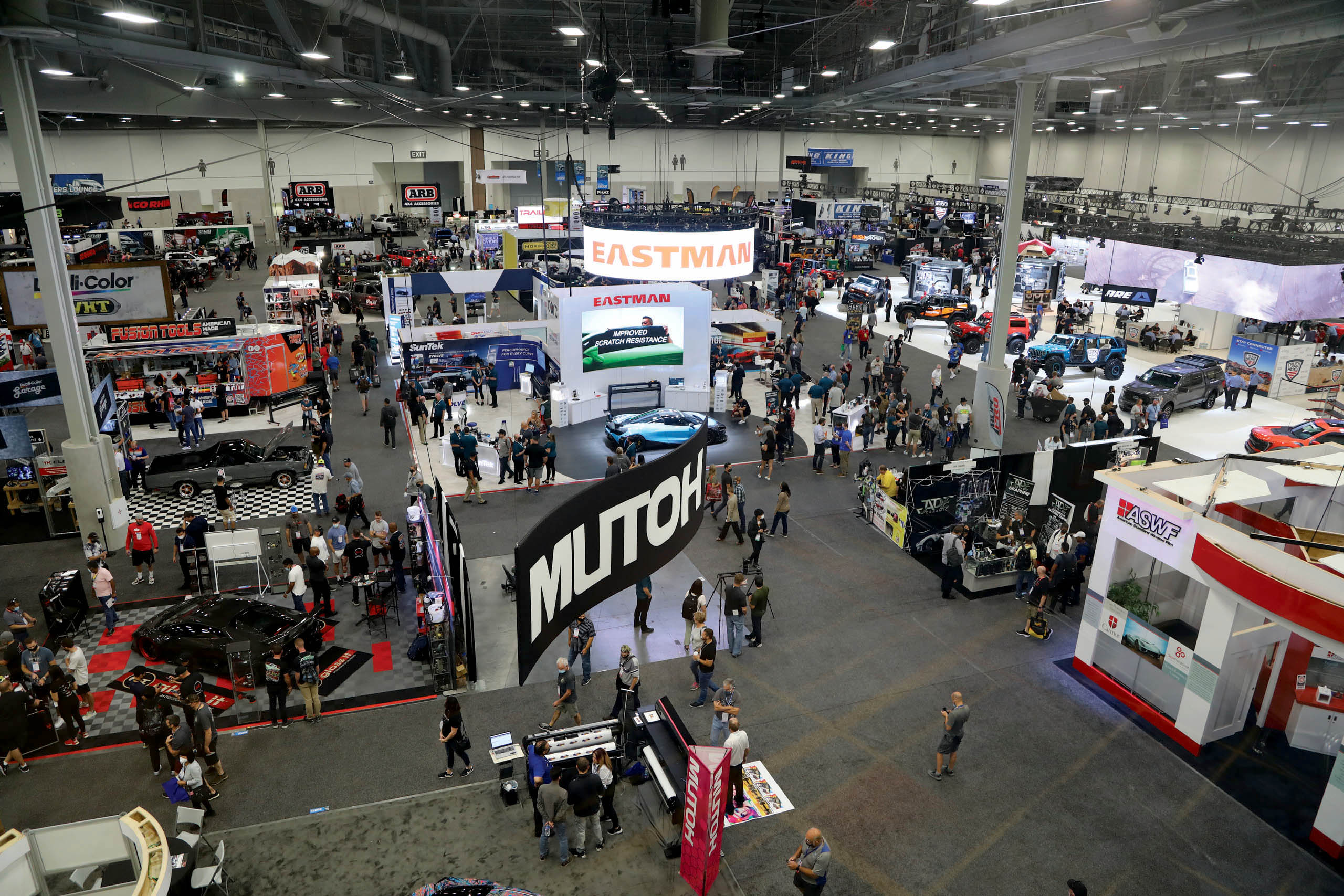
Wheel and Tire Trends

Wheel and Tire Trends
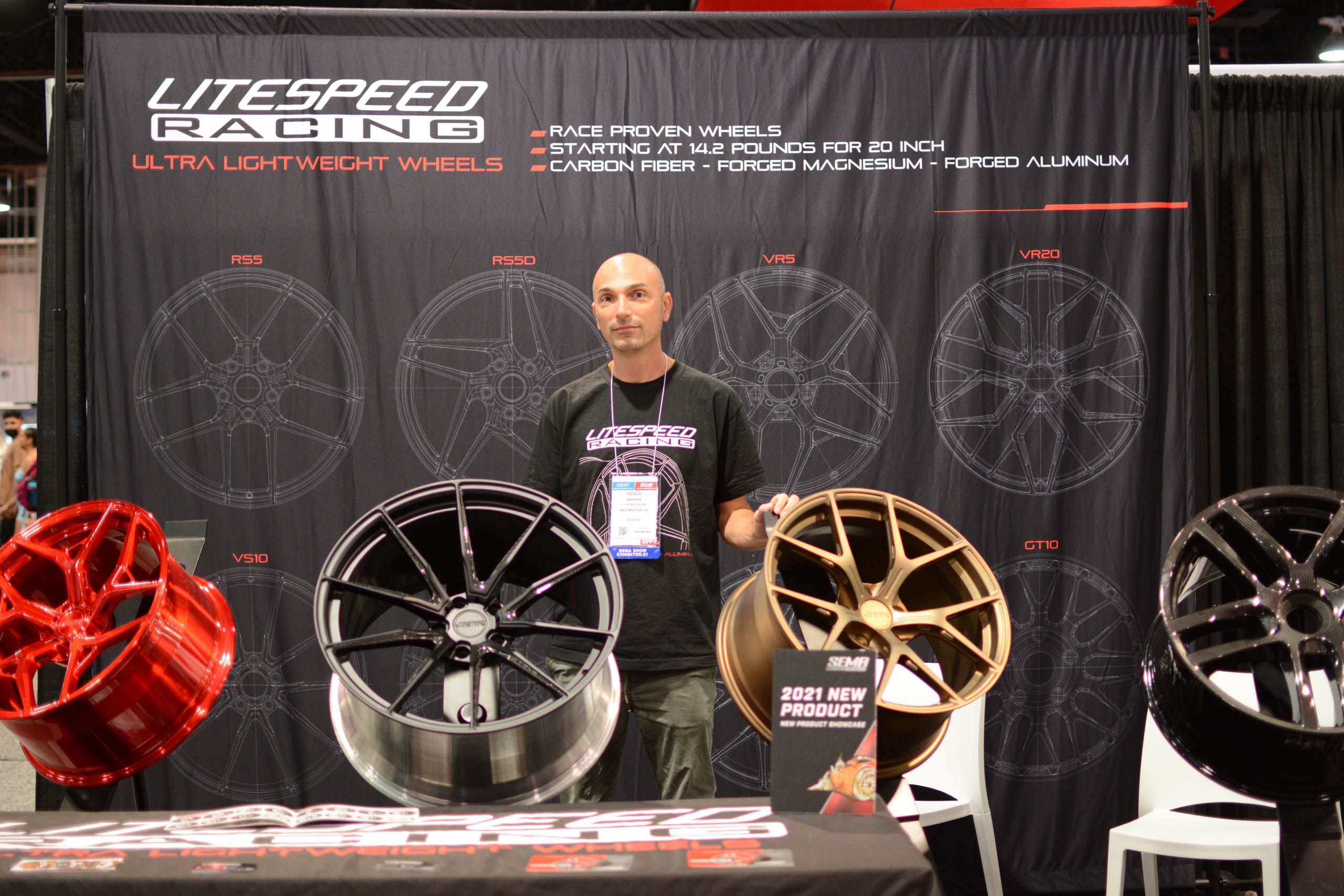

Despite mergers, acquisitions and a high degree of manufacturer competition, the wheel space still allows innovative entrepreneurs to carve a niche for themselves. At last year’s SEMA Show, Litespeed Racing CEO Patrick Warren (above) proudly accepted a Be

Can Sales Keep Rolling as the World Enters a “New Normal”?

Traditionally, wheels and tires are among the first upgrades that vehicle owners make to their cars or trucks. In fact, SEMA Market Research has identified them as “gateway drugs” to further vehicle modification, making them key products driving consumer engagement with the aftermarket.

According to the “2022 SEMA Market Report,” the market size for performance and special-purpose tires, off-road and oversize tires and custom wheels grew to $2.79 billion, $2.13 billion and $1.55 billion, respectively, through 2021. While those numbers imply that the wheel and tire category stayed largely buoyant through the pandemic, some market observers caution that challenging undercurrents may lay ahead—especially for the tire industry.

The Tire Market: Grappling With Uncertainties

Last year’s “Insider’s Guide to the Tire Industry in 2021” report from Tire Industry Research (TIR) painted a picture of a global tire market in post-pandemic recovery but “still facing multiple crises.”

“Those largely relate to upstream forces such as transport logistics, materials availability and currency exchange rates,” TIR said in its analysis. “Energy costs, raw materials costs and logistics costs are rising fast. There are shortages of truck drivers in many parts of the world. Some tire factories—especially in the first quarter—have had to close or go on short-time working due to shortages of raw materials. Currently, high absentee rates have started to limit output.”

Tire Industry Association (TIA, booths #40067 and #41067) Chief Technical Officer Kevin Rohlwing noted at last year’s SEMA Show that manufacturing interruptions coupled with a sudden rebound in consumer demand were putting additional pressures on markets.

“When the tire manufacturers shut down their plants because of COVID, tire inventories went down,” Rohlwing observed. “Then the return to work and the ‘new normal’ came faster than expected, so you’re in a situation right now where there are some backlogs. Tires aren’t something that you can just build on demand. It’s not one-size-fits-all manufacturing.”

Rohlwing also underscored the global nature of tire manufacturing. Sourcing raw materials from Southeast Asia, South America and Europe puts multiple constraints even on U.S.-based tire makers. Then there’s also the labor shortage and related costs to consider. 

According to Joe Podlovits, vice president of marketing and product development for The Wheel Group (booth #44037), political and financial instabilities in source countries further roiled the tire market. But the greatest challenge for tire makers going in to 2022 was simply moving inventory through U.S. ports. He said the industry would be “in a better inventory position on tires” once supply-chain issues settled down.

According to Jackson Marketing Group Director of Business Development Todd Steen, who chairs SEMA’s Wheel & Tire Council (WTC), a trend to watch will be the increasing number of companies and equity groups consolidating house brands to gain capital or leverage buying power. 

“There’s a demand to grow,” he explained. “I truly believe that you’re just going to continue seeing mergers and acquisitions happening as those demands keep going so the growth can be there.”

Changing Buying Habits

Meanwhile, as manufacturers wrestled with global challenges, retailers were facing many of their own on the home front. 

“The buying habits of the tire industry are antiquated because tire sizes are kind of a mystery to some people,” Steen said. 
Podlovits saw that phenomenon playing out in the ongoing growth of online purchasing, which offers consumers a greater sense of convenience.

“In my opinion, COVID really accelerated that, and I think that the industry would agree it has taught people a new way to buy,” he observed. “They’ve become very comfortable with the idea of buying online. I think there’s also that Amazon mentality of ‘I want my products and I want them today.’”

Jared Kugel, founder and CEO of Tire Agent, is among the growing number of entrepreneurs who have entered that online retail space. His company offers consumers major-brand tires at a savings and then ships those tires within two to four business days directly to their homes or to an installer of their choice.

“I think brick-and-mortar will always have a dominant space,” he explained. “Mobile is supplementary, but it’s not a replacement. Brick-and-mortar will always have a place because people will always need it, whether they want to get oil changes or they want to get wheel alignments or mechanical work.”

Nevertheless, Rohlwing sees current supply-chain issues as well as the growth of direct-to-consumer sales and a rising tide of government regulation putting a squeeze on tire retailers. He cites California’s move to mandate low-rolling-resistance replacement tires as a prime example. That alone will have devastating effects on the small dealers while severely limiting consumer options, he said. 

“Big-box retailers and the multi-chain national retailers and the warehouse clubs will gain a distinct price advantage over small dealers,” he explained, adding that modernizing operations, broadening products and services, and taking advantage of ongoing training will become more important than ever to remaining competitive.

Meanwhile, on the technology side, industry sources expect further improvements in tire-pressure monitoring systems and continued evolution toward “intelligent tires” that can track wear and other tire metrics. As electric vehicles become more ubiquitous, tire design and compounds will undoubtedly morph to match their unique grip and low-rolling-resistance requirements as well. In fact, Steen foresees a future where tires and wheels become integrated, consumable units. 

As for more immediate market trends, with OEMs upping their small-truck lineups, larger-diameter wheels and tires are a sure bet, along with the lifting, accessorizing and suspension work that goes with them. 

“I’m definitely seeing people buy more Tier 1 and Tier 2 [product] than I’ve ever seen,” Kugel observed. “I think what’s interesting is with more people buying vehicles today, they’re taking a lot more pride in their vehicles.”

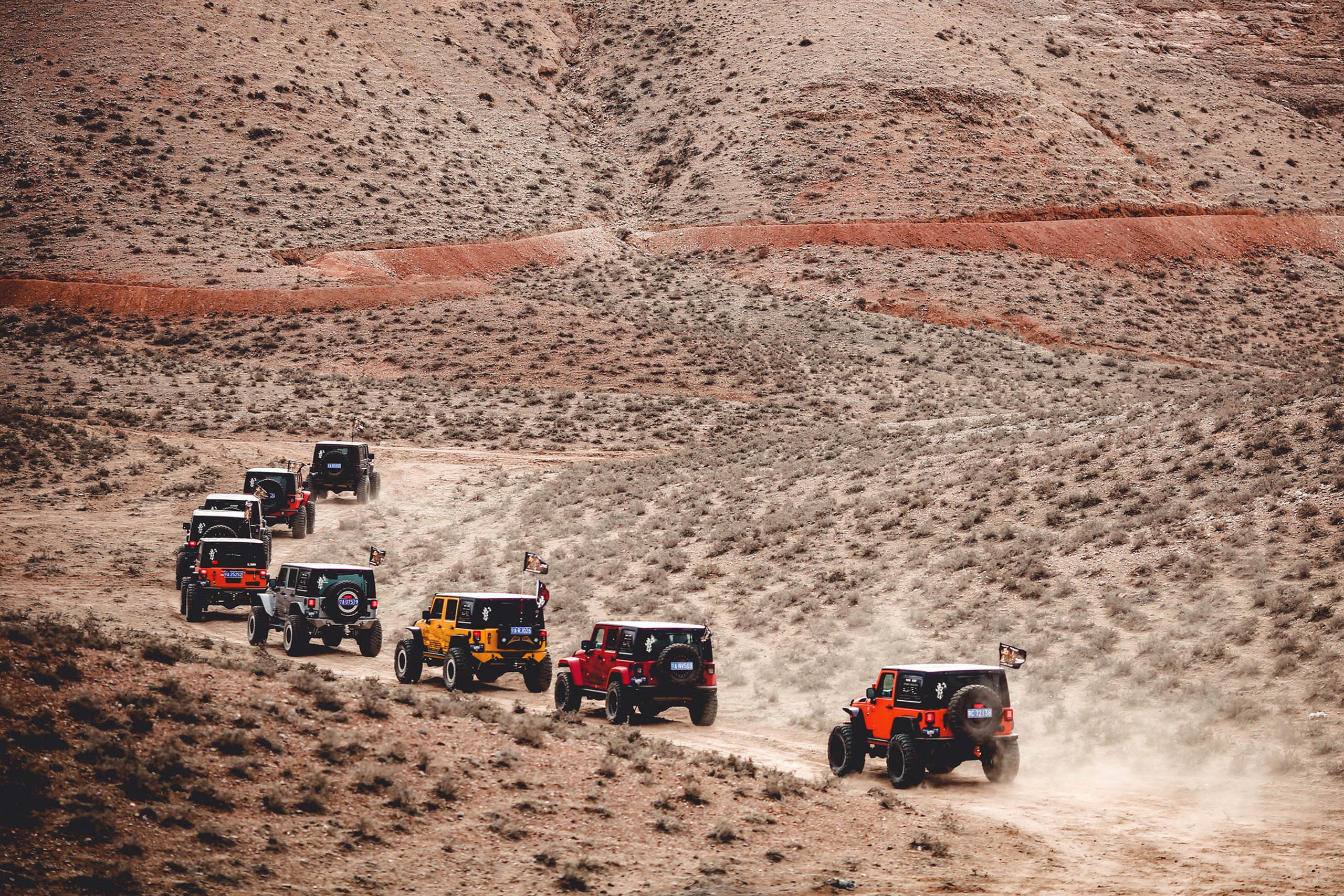
From 2020 through 2022, both off-roading and overlanding surged in popularity, raising demand for trail- and road-capable wheels and tires for trucks, Jeeps, SUVs and even some CUV and van applications.

From 2020 through 2022, both off-roading and overlanding surged in popularity, raising demand for trail- and road-capable wheels and tires for trucks, Jeeps, SUVs and even some CUV and van applications.


The Wheel Market: Ready to Roll?

Although it has faced its own supply-chain issues, the wheel market appears relatively stable compared with the tire segment. In fact, like many aftermarket categories, wheels seem to have gotten a boost from pandemic-weary consumers seeking escape from their isolation.

“There was this sweeping movement of people getting back outdoors,” Podlovits said. “That’s probably been one of the most enjoyable things to watch: families getting together, buying products, going out, camping—even people who just hadn’t done that before. There’s been that itch to vacation.”

Reflecting this trend, Podlovits said last year The Wheel Group was seeing increased demand for its low-pressure cast wheels in 15- and 17-in. diameters. 

“That indicates more of what we would consider outdoors, overland or adventure-type builds,” he explained, adding that his company also had seen a huge increase in SUV applications—namely Subaru.
Wheel manufacturing has become more and more competitive over the past decade. However, smaller wheel makers are still finding niches of opportunity, even amid the chaos wreaked by the recent pandemic.

“We all know that when you modify a car, you modify a wheel, which makes it a very competitive market to be in,” said Litespeed Racing CEO Patrick Warren. “There’s a lot of marketing money being put out there and a lot of wheels being sold solely based on brand awareness. It’s been a great thing for us to win the [2021] New Product Award, because Litespeed Racing is a smaller company that really focuses on the product but doesn’t have as much financing for big marketing compared to the other really big names.”

In particular, CAD software, access to manufacturing and a creative eye have allowed a number of smaller companies to deliver highly customized wheels to high-end consumers.

Meanwhile, Podlovits said that the wheel market can expect to see further innovations and manufacturing refinements in the coming years, especially in the area of flow-forming, which he believes will become the predominant production style for mid- and larger-size wheels. But the real challenge will be in the retail space, where brick-and-mortar shops will have to become more nimble to keep up with the changing consumer landscape.

“If you’re a traditional wheel and tire shop, you’ve got to look at easy bolt-on accessories for installations,” he advised. “Customers are doing more to their vehicles quicker than ever today, so if a customer is buying a wheel and tire package—and bumper, truck-rack and storage solutions—they want that done in one place and one trip. If a shop is not offering that, they’re going to lose a customer to a competitor.”

Staying on top of wheel and tire trends, technologies and new products will be just as vital. “Customers have that information at their fingertips today and are very aware of what’s new and what’s coming out,” Podlovits explained. “If a dealer is not aware of what customers are seeing and asking for, they’re going to be left behind.”  

Industry experts believe that supply-chain ripples will continue to afflict the tire industry—and to a lesser degree the wheel market—going into 2023. The question is how much soaring costs of materials, production, shipping, warehousing and labor will ulti
Industry experts believe that supply-chain ripples will continue to afflict the tire industry—and to a lesser degree the wheel market—going into 2023. The question is how much soaring costs of materials, production, shipping, warehousing and labor will ulti

Show Seminars Geared to Builder and Restorer Interests

Show Seminars Geared to Builder and Restorer Interests


This year’s show brings builders, restorers and shop owners plenty of learning opportunities to experience and understand the latest trends affecting their businesses. Below are four seminars that may be of special interest. For information about all the Show’s educational offerings, including how to register, visit 
www.SEMAShow.com/education.

EVs Aren’t Freezing Out ICE Vehicles Yet 

  • Tuesday, November 1, 9:00 a.m.– 10:00 a.m. 
  • Location: N254 

As original equipment manufacturers (OEMs) transition new-vehicle production from internal combustion engines (ICE) to battery-powered electrics, solutions continue to be created that deliver zero emissions to ICE vehicles. Learn about the latest innovations and developments in sustainable ICE solutions.

Women Who Build, Powered by SBN 

  • Tuesday, November 1, 11:00 a.m.–12:00 p.m.
  • Location: N258 

Ten years after the SEMA Businesswomen’s Network (SBN) led an award-winning all-female Ford Mustang Build, a new team of SBN women volunteer builders assembled to modify a Ford Bronco four-door Wildtrak provided by Ford’s Bronco brand. You’ll be inspired by the panel of all-female builders as they share how their team of volunteers were able to successfully collaborate to accomplish their vision at the highest level.

Classic-Car Trends: Preparing for the Future 

  • Tuesday, November 1, 3:00 p.m.– 4:00 p.m. 
  • Location: N256 

Listen and learn as industry insiders and icons share their thoughts on the future of the classic-car market. Whether you’re looking to buy a classic car or prepare your car-building business for the next trend, this is a must-attend session.

Restoration Builders’ Panel 

  • Wednesday, November 2, 9:00 a.m.–10:00 a.m.
  • Location: N258 

While numbers matching—used to describe a collector car in which all parts have factory serial numbers—is still important to purists, so are the modern-day conveniences, performance and technology found in today’s vehicles. Hear from top restorers and builders as they discuss industry trends and the evolution of the restoration market, from traditional restorations to restomods.

Future-Proofing Classic and Collector Cars

Future-Proofing Classic and Collector Cars


A panel of experts on electric-vehicle conversions cited the need for more public education regarding vehicle electrification in order to break down barriers along the path to this emerging trend

A Panel of Experts Weighs in on Breaking the Stigma and Embracing Vehicle Electrification

They’re more reliable, cleaner, and they pack a punch. So why all the hesitancy surrounding electric vehicles (EVs)? Misconceptions regarding range, V8 growl nostalgia and battery weight are three reasons, according to an expert panel who addressed the topic at last year’s SEMA Show.

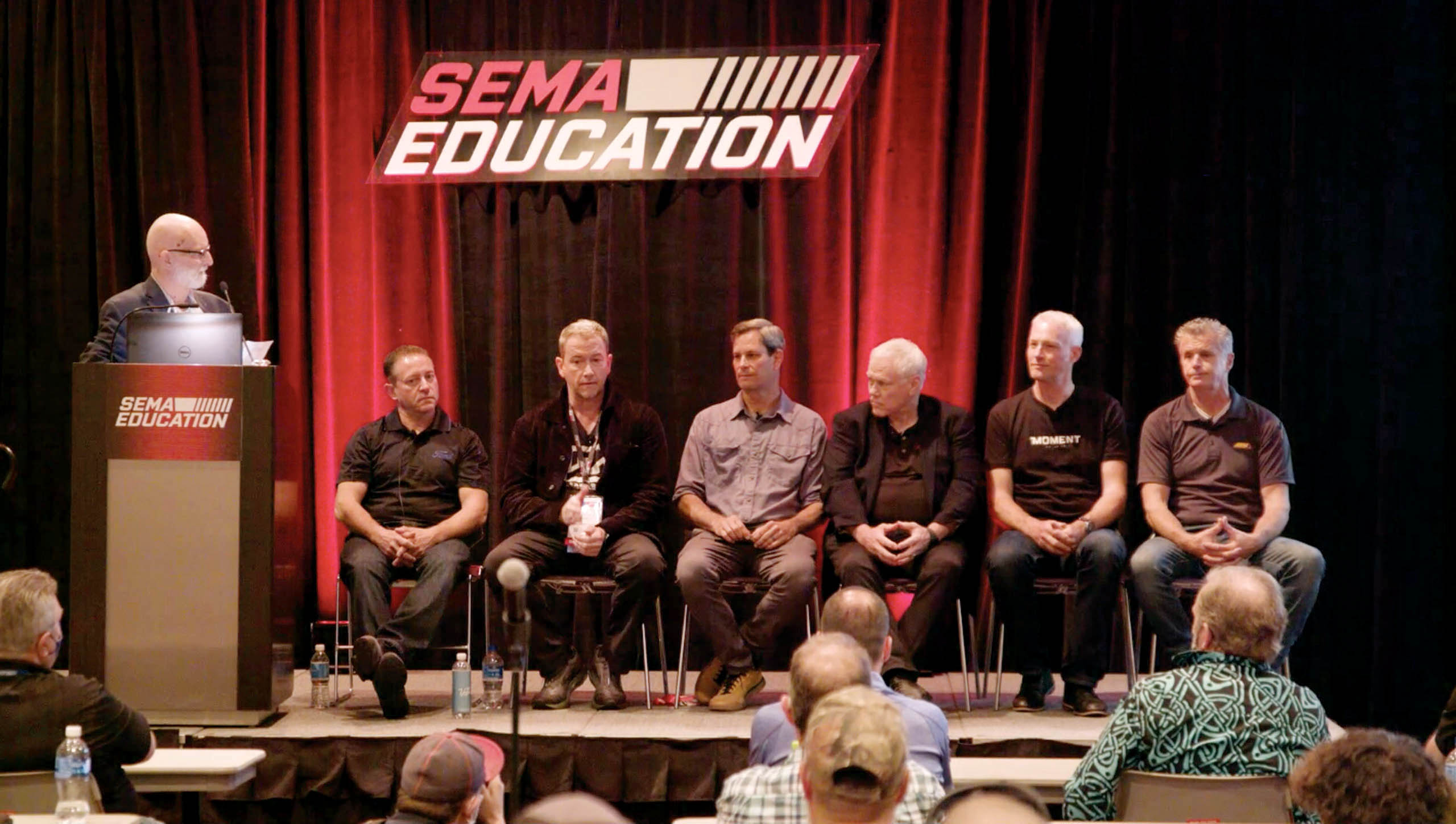
The SEMA Show education session entitled “Future-Proofing Classic and Collector Cars” delved deeply into this concept. Moderated by Larry Edsall of Classiccars.com, the panel featured Michael Bream, chief executive of EV West; Marc Davis, CEO of Moment Motor Co.; Craig Jackson, CEO of Barrett-Jackson (booth #21427); Kirk Miller, vice president of AEM Performance Electronics; Dave Pericak, director of Ford Future Electric Vehicles; and Adam Roe, CEO of Zero Labs Automotive. 

Here’s what the experts had to say last year, edited for length and clarity.

Edsall: Why can’t we just assume that we can drive our petroleum cars forever? Why are you convinced that we have to convert to electric?

Roe: Two reasons. One is reliability. The classics are hard to support. They break down a lot. For some people here, that’s the fun part. But for most people, it’s not fun. If you look at EPA data before there were measured emissions, these cars are 4,000 to 5,000 times worse in many cases than new cars. 

Bream: There’s a safety aspect as well. The drivability is much improved when you’re adding power steering, power brakes, modern systems and climate control. We’re all up here because we love classic cars, and an electric modification gives them longevity.

Miller: The ability to do an EV conversion without molesting that valuable classic car is impressive. You can look at a lot of the classic cars that these guys here have built. They’ve done an amazing job of preserving the shell, and they’ve made it so that the internal-combustion engine (ICE) components can be preserved, so if at some point they want to revert back to ICE, the opportunity is there.

Davis: If you’re hacking these cars up and making them different than they used to be, you lose the aftermarket. You lose the ability to continue to enhance and build the car for the future. There are a lot of reasons we do this. Yes, ecologically, but we love classic cars and that classic driving experience. The connection we have with these cars is visceral. We can maintain all of that and the love and joy we get while driving these cars by essentially replacing what gets them down the road.

Miller: You can talk about a Volkswagen bus that has 35 hp, which is frightening to get on the freeway. Now you put a 120hp electric motor in it, and it becomes fun to drive. 

Edsall: People used to take the old engines out of their classic cars and put in crate motors and upgrade the brakes. The car looked the same, but it was now a restomod. It was controversial. The purists thought it was stupid, but Craig Jackson was a champion of that. Is this the next step?

Jackson: We have to embrace what the next generation likes. A lot of them love the look of the car but not necessarily how it drives. So restomods came along, and they’ve gone to such a level to make them drive super nice, but they still look stock. I think the next evolution is to build an electric restomod.

Pericak: We just introduced a new electric crate motor. It’s the actual motor that comes out of the Mach-E GT. To show what you can do with it, we put it in an F-100. The electric motor has 634 lb.-ft. of instantaneous torque. That’s what we all dream about.

Edsall: There’s a hesitancy with some people with new electric vehicles because of range. Are you finding that with your customers who are doing conversions?

Roe: We have to assume that you’re not getting a classic electric car because you’re trying to win the Nürburgring or drive across the country. If that’s your function, then there are a lot of other cars out there for that. When the first highways started opening up 100 years ago, people were trying to determine how far the average car needed to go in a day, and after about 50 years of highways, it was about 25 mi. Here we are today, and it’s still about 25 mi. We’re not going any further than we were on average. 

Pericak: Range anxiety is a true thing, but there’s an education that has to happen around this because most people don’t drive the kind of miles that they think they drive. The battery technology is changing all the time, and you’ll be able to charge a lot faster.

Edsall: There’s a perception that this industry is dependent on leftover motors after Teslas crash. Why is that perception wrong? How is it changing?

Bream: The economics of it, you have these cars that are very expensive, they become for the most part undrivable, but a lot of the componentry is still good. We use that and the economics from it, and that drives what we’re doing. 

Roe: There are thousands of parts that go into any car, but electric conversion, especially, is a mix of what you can find that’s available and what you have to salvage. There’s no perfect answer. Many shops do a good job of pushing as many parts as you need, but there’s still stuff missing. There’s always going to be a 
transition. 

Davis: This industry is at the fledgling stage. As companies like AEM bring in control systems, and companies like Cascadia bring motors to the market, we’ll no longer have to dig through the scrap pile and re-engineer Tesla parts. It will be a whole new world.

Miller: With EVs, we’re at the infancy. You want to be at the leading edge. From AEM’s perspective, we’re at the bleeding edge with the resources we’ve pumped into this technology. We are hemorrhaging. We have a huge conviction that this is part of our future.

Roe: It’s all about hooking up an electric motor to a transmission. But what you get when you put a high-output motor coupled to a system that was never designed to handle that, it’s like putting a rocket on a tricycle in some cases. It just can’t handle it. 

Edsall: Say you’re at the SEMA Show and you have a customer who wants to electrify his classic car. What do you do?

Bream: I think you should be excited for the future. You’re getting into something that’s going to give your shop a lot of marketing and longevity. We’re not measuring carbon, we’re just trying to build very fast, high-performance electric vehicles, and the side effect is a cleaner environment.

Pericak: This is one of the reasons it’s so exciting. You always want more performance, but it came with a negative effect to the environment. Now it’s the reverse. You’re getting way more performance than you ever have in the past, and in a way that is responsible to the planet.

Edsall: Won’t people miss the sound of the exhaust?

Bream: Electric actually predates gas. We did a land-speed car this year at Bonneville, and people are surprised to know that the first six land-speed records were electric.

Davis: People are concerned that you’re going to lose the soul of the car, but once you take them for a ride in an electric car, they start to understand. It’s just the sound. You instantly forget about it when you get in the car, hit the pedal and that torque hits you.

Roe: From a behavioral perspective, nostalgia isn’t a remembrance of the past; it’s a misremembrance of the past. You’ve glorified and sanitized how you thought about the past and left out all the things you didn’t like. What you think you love in the past is a lie. The sound is more for peer-bonding. Your buddies like it, but you get over it pretty quickly because you tend to think that the sound of the car defines you as the man. Let’s find something else to define that. 

Pericak: The visceral sound was an indicator of power. It’s going to be different for EVs—and we’re just scratching the surface of performance EVs. I don’t want to erase what it was before. Of course I love the sound of a V8, but it’s going to be different, and there will be different cues to determine how powerful something is.

Truck and Off-Road Market Trends

Truck and Off-Road Market Trends


A resilient market sector, off-roading remains a popular automotive pastime. That’s never been more true than in the Age of Social Distancing. Land-access issues continue to pose a challenge for the future, however.

Consumer Demand Continues for Pickups and Crossovers; Overlanding Remains a Growth Sector; Electrification Continues Apace.

More than half of all vehicles on the road in the United States are either pickups, SUVs or CUVs. According to the most recent issue of “SEMA Future Trends,” the light-truck segment (which includes pickups, vans, SUVs and CUVs) is forecast to account for close to 80% of all new-vehicle sales by 2027, with pickups alone making up nearly 50% of all new vehicles sold. 

New-vehicle sales in 2021 remained relatively flat compared to 2020, with an estimated 14.9 million units sold—a 2.5% increase over the previous year, according to Cox Automotive. Shortages of semiconductors kept inventories low for most of the period, and the year ended with roughly 1 million units on dealer lots, down from 3.5 million in pre-pandemic 2019. 

More promisingly for the truck and off-road segment, pickups, SUVs and crossovers represented more than 80% of all new-vehicle sales in the month of December, according to J.D. Power & Associates. For the year, the top three best-selling vehicles in the United States were ½-ton pickups from Ford, Ram and Chevrolet, and seven of the top 10 U.S. best sellers in 2021 were either trucks, SUVs or 
crossovers.

For this article, we consulted a number of industry leaders for their perspectives on the overall state of the marketplace. What follows is a summation of their views.

The State of The Industry: Pent-Up Demand, Record Growth

“The industry is still very healthy,” said Ted Wentz, CEO of Quadratec (booth #58085). “The entire industry experienced massive growth during the pandemic. We undertook years of growth in a period of around nine months.”

“There aren’t a lot of new cars entering the market anymore,” said Jenna Jefferies, national account manager for Pertronix Performance Brands (booth #23135). “We’re backordered for months on end—and growing, growing, growing.”

On a related note, PSC Motorsports COO Randall Speir noted the many new truck and SUV models, such as Chevrolet’s Colorado Trail Boss and Ford’s Ranger Raptor, that are more off-road-friendly in design than their predecessors. 

“We have new entrants in the market, with Ford coming in and Chevrolet with some new things, and now Rivian,” he said. “We’ve got lots of new off-road-focused vehicles coming into the market, and that’s great, because they give us platforms we can use to make cool products for them.”

All of our experts similarly agreed that the combination of pandemic lockdowns, corporate work-from-home directives and government stimulus checks contributed to the growth of the sector.

“People wanted to get outside, and they had time on their hands to go outside with their vehicles and have fun with their families, so that played a big part in it,” Speir said.

“At the beginning of the pandemic, there was a bit of a growth in replacement parts as people were just trying to keep their vehicles running and didn’t necessarily feel comfortable going to shops,” Wentz said. “Now we’re seeing growth in categories that support an outdoor lifestyle.”

From a business perspective, the pandemic also gave many companies a chance to reevaluate and reassess their existing sales and marketing models and to make adaptations to changes in the marketplace.

“With the pandemic, everybody had an opportunity to sit down at their desks, take a breather, think about what they could do differently, and now they’re bringing great things to market,” said Charlene Bower, owner of Bower Motorsports Media. “As business owners, we’ve all had a chance to review what we’ve been doing and see what we need to continue and what we need to redevelop—from services to products to everything in between.”

Digital Resources: The New Media Landscape

Bower also heads Bower Academy, an educational program that provides hands-on instruction for women in subjects ranging from off-road driving and vehicle maintenance and repair to principles of Tread Lightly! and other topics. When the pandemic hit and indoor hands-on learning wasn’t feasible, “I took a nap for two weeks to think about what I could do differently with my business,” she said. 

“I rotated all my educational programs online as opposed to being in-person. We have online classes now through Bower Academy, which includes how-to classes, and I was able to turn my backyard into an area where girls can learn and train.”

Along with providing online content for customers, many companies learned to leverage the power of social media to maximize consumer outreach.

“While face-to-face and meeting at events are the best ways to interact with customers, social media is an extension of word-of-mouth with photos,” Speir said. “People want to be a part of something, so it’s great that we have a social network and that we have Facebook Groups and things that are around our industry. It’s becoming a big part of promoting our brand.”

Social media is huge, Wentz agreed. “It’s another touchpoint to communicate with your customers and to create a community,” he said. “As the younger generations move up in the workforce, they’re generating capital, and they’re ready to go have some fun with their vehicles. If you want to communicate with those folks, you need to find a way to do so in the channels they’re comfortable with.”

While acknowledging social media’s brand-building potential, Wentz also offered a word of caution when dealing with a form of media that’s still rapidly evolving. 
“TikTok is big right now, and for now, that’s the big growth channel,” he said. “What we tend to see with these new social-media outlets is that sometimes they go up in popularity really quickly, and sometimes they stay popular and sometimes they don’t. You have to be cautious about how you invest in these things and make sure you don’t overcommit to something that isn’t going to be around tomorrow.”

Outdoor Lifestyles: Opportunities for Growth

All of our sources also agreed that the steady popularity of overlanding remains a bright spot in the market. First popularized in Australia, the hobby caught on quickly in South America and Sub-Saharan Africa before catching fire in North America, where it has grown exponentially over the past decade and a half. 

“It’s not just overlanding,” Wentz said. “It’s whatever you can use on your vehicle to enjoy being outside. Overlanding’s a part of that, sure, but anything to do with biking or hiking or fishing [is becoming popular]—any of those things you can do outside and that allow you to accessorize your vehicle to help achieve that.”

“We’re also seeing some movement in the crossover segment—Subarus for one—and that is bringing new customers to our industry.” Speir said. 
That said, overlanding is still a huge deal, Jefferies said, noting that the Jeep market is still going, and the Bronco market is taking off. 

“Work-from-home options during the pandemic gave people the opportunity to go adventure while still being successful at their businesses, and I see that trend continuing going forward,” Bower added. 

Future Challenges and Opportunities

Nearly all of our experts said that staffing issues pose the greatest potential obstacle to growth in the short term.
“Right now, the labor shortage is a real problem,” Wentz said. “I’ve never seen anything like it.”

Speir agreed. “We’re not finding enough people who want to work,” he said. “The pandemic may have changed the way some people feel about life and changed their priorities, and that may have had an effect on the job market. Hopefully, we’ll see some additional influx into technical schools where kids are actually working on vehicles and falling in love with working on them, and that will refresh out talent pool. Getting involved in educating the future of our industry is a tremendous opportunity.”

Jefferies concurred, adding that it’s crucial to get the youth involved in the market. 

Supply-chain issues also pose an ongoing challenge, although Wentz sees signs of improvement in the not-too-distant future. 

“I’m seeing some signs that there could be some normalization coming at some point in 2022, but I think we’re going to have to ride this supply-chain issue for a while,” he said. “It’s definitely a challenge.”

A further potential problem facing the off-road side of the market is maintaining access to public lands.

“That’s one of our biggest issues at the Truck & Off-Road Alliance,” Speir said. “We must make sure that people take care of the land and that we don’t lose our access.” 

Jefferies also noted the rapid growth of electrification in the truck sector and the need to keep up with the latest OE technologies. 

“I think EVs are a huge thing that we’ll need to get adjusted to, and that will require adaptation by our industry,” 
she said. 

More than 1.2 million HEVs or EVs were sold in the United States in 2021, a 75% increase over 2020 and a combined 8% of all new-vehicle sales. 

Still, our panel believes that the foreseeable future is still relatively bright for the industry. Wentz offered this advice for businesses looking to increase their market presence in the coming year:

“From an opportunity perspective, the industry has acquired more customers over an 18-month period than it has ever had before. What are we going to do with those customers? What are we going to innovate for them? What are we going to do to keep them interested in our brands? Those are the kinds of questions we need to be asking ourselves if we want to take advantage of this growth opportunity that’s right in front of us.”


Trucks: Still Moving the Aftermarket

Trucks: Still Moving the Aftermarket


Overland Experience, located in West Hall booth #62236, will be expanded for 2022 to include more exhibitors, more new products and more vehicle builds.

Americans’ love affair with pickups is deep and long-standing. The best-selling vehicle in the United States has been a pickup for more than 40 consecutive years. It’s no wonder, given the versatility and ruggedness a truck has to offer—and nowadays, they come equipped with all the comfort and convenience items traditionally found on more technologically sophisticated passenger cars. According to a recent issue of “SEMA Market Trends,” pickups trucks, Jeeps, SUVs and CUVs are forecast to account for roughly 80% of all new vehicles sold by 2027.

As consumer preferences have gravitated in recent years toward larger vehicle platforms, a strong and vibrant aftermarket has grown to supply them with all the parts and products they need to strengthen, upgrade, and otherwise personalize their rides. The truck aftermarket accounts for some $14 billion in annual sales, or approximately 30% of the total market. It’s no surprise, then, that OE manufacturers maintain a strong presence at the SEMA Show, with Dodge (booth #23642), Mopar/Stellantis (booth #44137) and Toyota/Lexus (#22200 and #22250) all occupying prominent places on the Show floor.

For the 2022 SEMA Show, the Truck, SUV & Off-Road aftermarket returns to West Hall, the brand-new, 1.4-million-sq.-ft. exhibition facility at the Las Vegas Convention Center. What’s more, Showgoers can peruse the latest builds and products for the fast-growing overlanding market at SEMA Overland Experience, also in West Hall in booth #62236. From restomods to overlanders, from show trucks to daily drivers, there will surely be a truck to suit everyone’s taste at the 2022 SEMA Show.

Come Celebrate!

Come Celebrate!


PRO Restyler Networking Events at the SEMA Show

Join PRO on the West Hall Terrace, Tuesday, November 1, 5:00 p.m.–7:00 p.m., for the council’s annual awards reception. The evening of camaraderie and good fellowship celebrates the achievements of the restyling industry. 

The outdoor setting sets the stage for folks to kick back, socialize and savor hors d’oeuvres and liquid libations. The awards ceremony honors industry leaders in four categories: Restyler of the Year, Nat Danas Person of the Year, Manufacturer of the Year and the Jim Borré Lifetime Achievement Award.

You can also enjoy a cold brew and talk shop with fellow members during the PRO Happy Hour on Wednesday, November 2, 4:00 p.m.–5:00 p.m., West Hall, booth #50185. Cheer as winners of the PRO Cup Challenge and the fan favorite vehicle are announced.

Finally, wrap up three days of council activities at Lunch With the PROs, Thursday, November 3, 11:30 a.m.–1:00 p.m., West Hall W219. Join the select committee as they share updates on council projects and initiatives. 

Lunch With the PROs is the council’s main way of getting its general membership caught up on some of the key initiatives. Members can talk about challenges in the restyling industry, come up with some new ideas and get 
involved. 

Seminars Geared to Restyler Interests

Seminars Geared to Restyler Interests


This year’s Show brings restylers plenty of learning opportunities to experience and understand the latest trends affecting their businesses. Below are two that may be of special interest. For information about all the Show’s educational offerings, including how to register, visit 
www.SEMAShow.com/education.

PRO Cup Challenge Panel, Powered by PRO 

  • Tuesday, November 1, 1:00 p.m.– 2:00 p.m.  
  • Location: Check the SEMA Show app. 

Ever dream of showcasing your talents and craftsmanship at the SEMA Show? Interact with leading restylers and builders who participated in the PRO Cup Challenge. Find out why they chose to accessorize a specific vehicle, what challenges they faced and lessons learned. Discover the value of this high-profile initiative and how it helps to advance the relationship between restylers and the new-car dealer community.

Forecasting the Future of the Restyling Industry, Powered by PRO 

  • Wednesday, November 2, 1:00 p.m.–2:00 p.m. 
  • Location: Check the SEMA Show app. 

The automotive industry is evolving at breakneck speed. What does this mean for the restyling industry? Join an expert panel as they explore the potential impact of electric vehicles and the challenges of modifying vehicles equipped with advanced driver-assistance systems (ADAS). Learn how restylers are adjusting to supply shortages and limited vehicle inventories, and gearing up to thrive in an ever-changing landscape.

2022 Car-Care and Restyling Market Trends

2022 Car-Care and Restyling Market Trends


or the 2021 SEMA Show, the Car Care & Restyling section was relocated to the all-new West Hall at the Las Vegas Convention Center. This year dozens of companies are again set to exhibit their latest offerings with product demonstrations throughout Show we

The car care/restyling segment was a bright spot during the pandemic. The market registered double-digit point-of-sales gains in 2020 over 2019, with pickup accessories leading the way. For 2021, the market saw steady if not spectacular growth. By itself, the car-care treatment segment represents a $1.86 billion market, according to the “2021 SEMA Market Report.” Considering that many products in the category are relatively inexpensive and can be installed or applied without the need of special tools or training, it’s likely that enthusiasts sheltering at home took advantage of extra downtime to treat their vehicles to some sprucing up.

We contacted several industry experts for this article. The following is a compilation of their insights and observations on the current state of the market and its outlook going forward, edited for clarity and length.

Trends and Products: What’s Moving the Market

“The state of the car-care industry is incredible right now,” said Michael Pennington, director of training, events and consumer relations for Meguiar’s (booth #23443).

“Through COVID, we’ve seen a huge growth in the category as people stayed at home and had more time to work on their projects.”

“The overall state of the restyling industry is very healthy,” said Cristina Jorge, vice president of Specialty Automotive Treatments. “There was a rough patch with inventory in 2020, so those restylers with wholesale businesses who sold direct to retailers suffered a bit.”

Nick Griot, executive vice president of product development and brand for Griot’s Garage (booth #50217), agreed in general while adding a mild caveat: “Worldwide cost increases are touching nearly every part of our market, in particular raw materials and increased transit costs of sourced components. This will invariably lead to price increases that may bring demand back down to earth.”

David Korvah, marketing manager for Avery Dennison Graphics Solutions (booth #52119), expressed similar caution. Due to a variety of external factors, he said, “People who normally would be spending on auto restyling may be holding off more now than they have in the past six years.”

Many of the products most favored by consumers in recent years continued to exert a strong pull in 2022. Jorge added that vinyl wrapping is something she’s seen quite a bit over the last few years. 

“I also see ceramic coating really starting to take off now, particularly in terms of consumer awareness,” she said. “My customers in general would never typically ask for that, but I have people asking for it by name now.” 

Ceramic coating applicators are also faring well. 

“The large-scale adaptation of machine polishing as a prerequisite for superior ceramic results has helped the polisher market grow at an explosive rate,” Griot said. “Our purpose-built machine polishers have done very well as a result of this shift to ceramic surface protection.”

“Strong areas [in restyling] include paint protection film, wrapping film and window tint,” Korvah said. “We’re also seeing more shops doing both vehicle graphics and window film. Those used to be separate specialties.”

An increase in purpose-built vehicles has likewise piqued interest in idiosyncratic styling applications—in a word, “retro,” said Courtney Pahlke, owner of Top Coverage Ltd. 

“With a lot of Jeep and truck builds over the past few years, we’ve noticed a lot of retro color schemes and wheel packages,” she said.

“Now, with the new Bronco appealing to the ‘retro’ market, we’re seeing even more of it, so I think we’ll see a lot of ’80s and ’90s grunge-type colors in the future.”

All-Female Bronco Wildtrak Build to Debut at Show

All-Female Bronco Wildtrak Build to Debut at Show


Stop by the SBN booth #57061 to see the Bronco build executed by these incredible aftermarket-industry women.

The SEMA Businesswomen’s Network (SBN) will debut its All-Female Bronco Build at the 2022 SEMA Show. This build features a ’21 Ford Bronco Wildtrak with modifications on all elements, including the suspension, wheels and tires, electrical, lighting, exhaust, intake and wrap. 
The build project kicked off in July with a large group of talented women representing all facets of the automotive industry. The build’s early phase included work at the SEMA Garage in Diamond Bar, California. The Bronco next made its way to the SEMA Garage in Detroit with another group of talented women finishing the Bronco for the Show. This project comes 10 years after the SBN all-female Ford Mustang Build. 
Make sure to stop by the SBN booth #57061 at the Show to see the Bronco build executed by these incredible aftermarket-industry women. The SBN team would like to thank its product sponsors who graciously donated parts as well as the many volunteers who took time from their busy schedules to plan, organize, build and promote this Bronco. In addition, SBN will host two popular events at the Show:

SBN Gear-Up Girl Networking Event

  • Date: Wednesday, November 2
  • Time: 4:30 p.m.–5:30 p.m.
  • Location: LVCC W210

This dynamic mixer brings together generations of female professions and is an opportunity to network and share advice with today’s female youth on pursuing a career in the industry.

SBN Reception

  • Date: Wednesday, November 2 
  • Time: 5:30 p.m.–7:00 p.m.
  • Location: LVCC W210

The annual reception brings together women in the industry for a casual evening of celebration and networking. This event is the ideal time to connect with other SBN members as well as learn more about opportunities within the network. 

Friday Events Cap Off a Great Show

Friday Events Cap Off a Great Show


For some SEMA Showgoers, Friday has always been “get-away” day to arrive home in time for the weekend. But those who opt to stay through the end of the week are treated to two of the Show’s most iconic—and most popular—attractions. Even if you’ve wrapped up business for the week, be sure to stick around for:   

The SEMA Cruise Presented by CTEK: A caravan of SEMA Show vehicles departs the Convention Center along Silver Drive at Show close—4:00 p.m. on Friday, November 5—with thousands of fans in grandstands along the way. More than 1,000 vehicles will take part in the Cruise, which proceeds toward the West Hall Parking Lot and SEMA Ignited. The festivities include prize giveaways and entertainment, and it’s become one of the Show’s most anticipated events since it’s open to the public.

SEMA Ignited: It’s the official after-party which launches immediately after the Show ends on Friday, November 5. The event takes place in the West Hall Parking Lot—just a short walk away—and is free to all credentialed Show attendees. Introduced in 2014, the annual event is also open to the general public. It’s a great way for Showgoers to unwind from the week while enjoying a night of food, entertainment, drifting demonstrations and more. Gates open at 
3:00 p.m., and your SEMA Show badge serves as your free ticket. For more information, visit www.semaignited.com.

*